Catskills watershed
Catskills watershed septic questions often come down to steep, shallow soils in the New York City water supply watershed. Typical work here includes pumping, inspections, raised-bed and alternative systems and septic replacement.
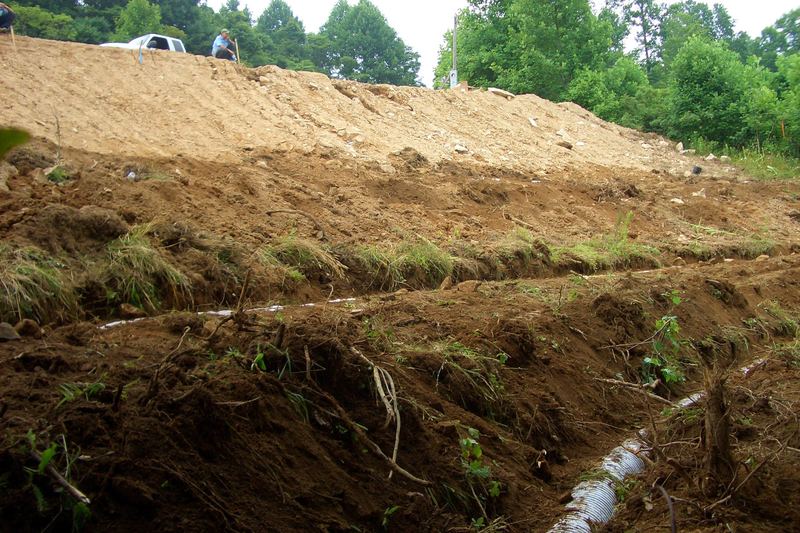

Soils and ground conditions in Catskills watershed
The Catskills have thin soils over bedrock on steep slopes, so conventional absorption fields often need raised or alternative designs.
Much of the region lies in the watershed that supplies New York City, and the Catskill Watershed Corporation has funded repair and replacement of failing septic systems.
Climate and what it means for a septic system
Snowy winters, spring melt and tropical-storm remnants such as Irene in 2011 bring heavy runoff.
A tank only works as well as the drain field after it: saturated, compacted or root-filled soil is the most common reason for slow drains, odors and wet spots, so the soil and the water table are checked as well as the tank.
Local approvals and rules
County health departments and NYSDOH review designs, with NYC DEP watershed rules applying inside the watershed.
In New York State, Appendix 75-A of the State Sanitary Code sets design standards for household onsite wastewater systems; county health departments or NYSDOH district offices review designs, and some counties and watersheds add stricter local rules.
Typical septic work in Catskills watershed
Pumping, inspections, raised-bed and alternative systems and septic replacement. Every property is different, so the system is located, opened and inspected on site before any repair is recommended or quoted.
Know where your tank, lids and drain field are, keep vehicles and new structures off them, and have pumping or permit records ready before the visit.
New York Septic Pro in Catskills watershed
We take septic enquiries from Catskills watershed and surrounding areas around the clock. Tell us the address, when the tank was last pumped and what is happening, and we will arrange a visit.